

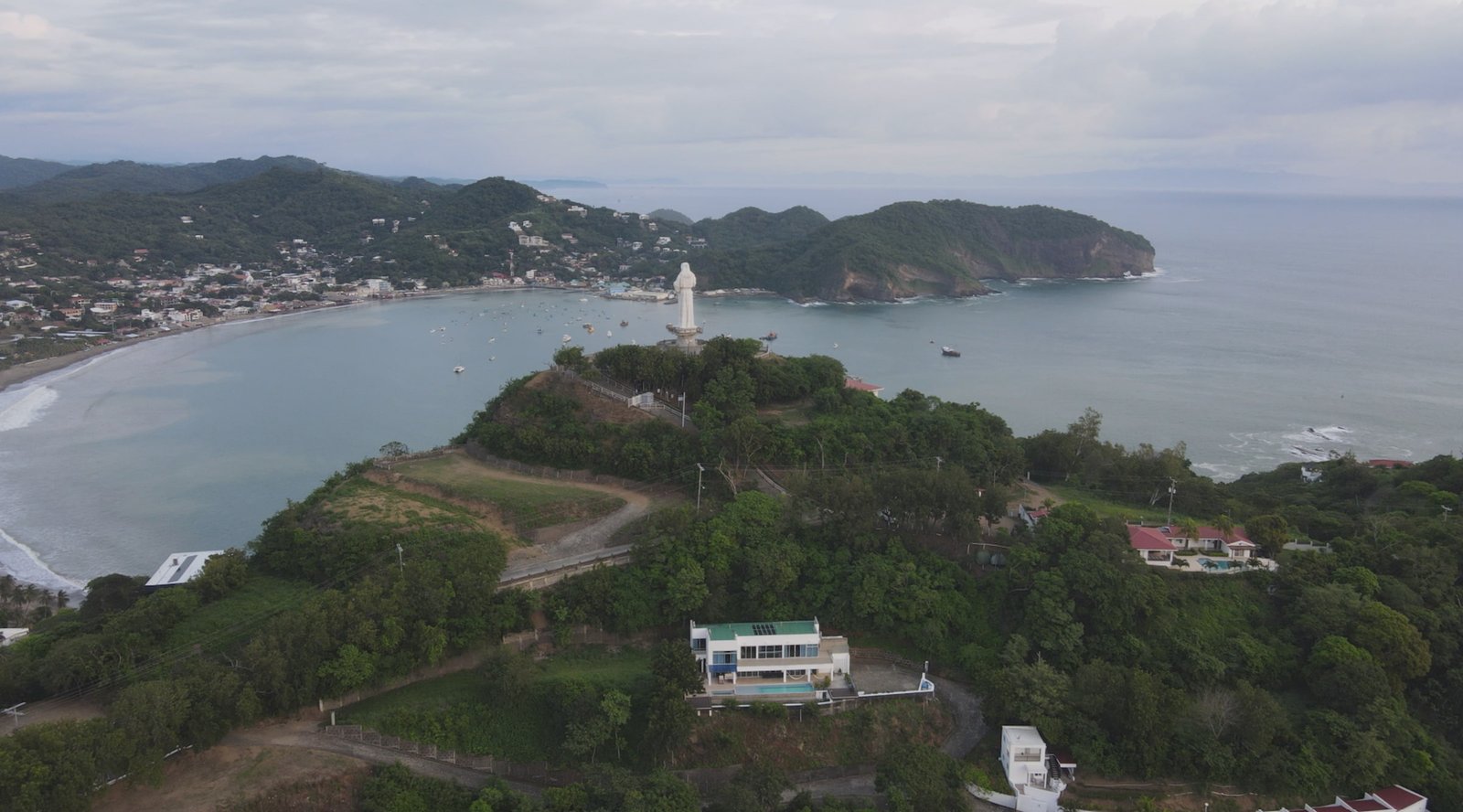
Thinking about how to invest in Nicaragua real estate? With US dollar transactions, growing tourism, new road infrastructure on the Pacific coast and property prices that remain accessible compared with other beach markets in the region, Nicaragua is attracting more foreign buyers every year. I wrote this guide from my experience as a licensed Nicaraguan broker based in San Juan del Sur, to explain how foreigners can buy property in Nicaragua, what it costs, the rules you need to know and where to invest.
Contents
- Nicaragua Tourism and Market Facts 2026
- Can Foreigners Buy Property in Nicaragua?
- Why Invest in Nicaragua Real Estate
- Where to Invest: San Juan del Sur and Tola
- From Our Books: Horizonte Nica Sales in 2026
- How to Buy Property in Nicaragua: Step by Step
- Buying from Abroad
- Closing Costs and Property Taxes
- Financing
- How to Protect Your Investment
- When Is the Best Time to Buy?
- Frequently Asked Questions
Nicaragua Tourism and Market Facts 2026
On Nicaragua’s Pacific coast, real estate follows tourism. Visitors discover the area, some decide to buy, and many more rent from those who did. These are the latest official figures.
| Indicator | Figure | Source |
|---|---|---|
| Tourism revenue, Q1 2026 | US$159 million, up 40.1% year over year | INTUR / INIDE |
| International visitors, January–August 2026 | More than 621,000, up 2.1%, with over 1 million expected for 2026 | INTUR |
| Canadian arrivals, 2026 | Up 37.3%, the fastest-growing North American market | Visit Nicaragua |
| Tourism value added, 2025 | C$39,245.7 million (about US$1.07 billion), up 11.6% | Central Bank of Nicaragua |
| Total tourism consumption, 2025 | Up 11.8% | Central Bank of Nicaragua |
| Tourism share of the economy, 2025 | 5.4% of total value added | Central Bank of Nicaragua |
Who Visits Nicaragua and How Much They Spend
The average daily spend across all visitors is US$49.10, but that number blends weekend visitors from neighboring countries with travelers who fly in for one or two weeks. For property owners, the most relevant figures are for visitors who arrive by air and stay longer, the same guests who rent ocean view homes in San Juan del Sur and Tola.
| Visitor segment (Q1 2026) | Daily spend (USD) | Average stay |
|---|---|---|
| Business travelers | $210.70 | 4.7 days |
| Arrived by air | $79.30 | 12.4 days |
| Vacation travelers | $79.10 | 11.4 days |
| North Americans | $69.00 | 12.7 days |
| Europeans | $64.40 | 14.7 days |
| All visitors (average) | $49.10 | 10.1 days |
Source: INTUR and INIDE inbound tourism survey, first quarter 2026.
According to Visit Nicaragua, “Canada is a top-priority market for Nicaragua, and the numbers tell the story.” On the coast we see it every winter: more Canadians and Americans spending the whole season in San Juan del Sur and Tola, from November to April, and some of them deciding to buy.
Can Foreigners Buy Property in Nicaragua?
Yes. Under Nicaragua’s Constitution, foreigners have the same property rights as Nicaraguan citizens. You can buy a home, land or a lot in your own name, with no residency, local partner or minimum investment required. Owning property does not grant residency; residency is a separate application with its own requirements.
Two rules every buyer should know:
- Coastal public zone (Law 690): the strip from the tide line to 50 meters inland from the high-tide mark is public domain. Beachfront homes and lots are located behind this zone, and rights legally acquired before the law are respected.
- Border areas: land close to the national borders is subject to special regulations. Your attorney will confirm the location of any parcel before you buy.
Why Invest in Nicaragua Real Estate
- US dollar pricing: properties are typically priced and closed in dollars, reducing currency risk.
- Growing tourism: tourism value added grew 11.6% in 2025, and first-quarter 2026 tourism revenue grew 40.1%.
- New infrastructure: the coastal highway now connects the beaches of San Juan del Sur and Tola, and the Central American Bank for Economic Integration (BCIE) continues to finance road projects across Nicaragua.
- Value: ocean view homes and lots at prices that are hard to find in other Pacific beach markets.
- Low holding costs: the annual property tax is based on cadastral values, usually well below market prices.
- Rental demand: visitors who fly in stay 12 days on average, and many gated communities offer rental management.
- Quality of life: warm weather all year, surf, sunsets, international schools in San Juan del Sur and a cost of living well below North America and Europe.
Watch our property tours on the Horizonte Nica YouTube channel, and explore the homes featured in our website: Casa Marina Condo, Casa Chai, Villa 21 in Malibu, El Árbol de Limón and Finca Los Robles.
Where to Invest: San Juan del Sur and Tola
San Juan del Sur
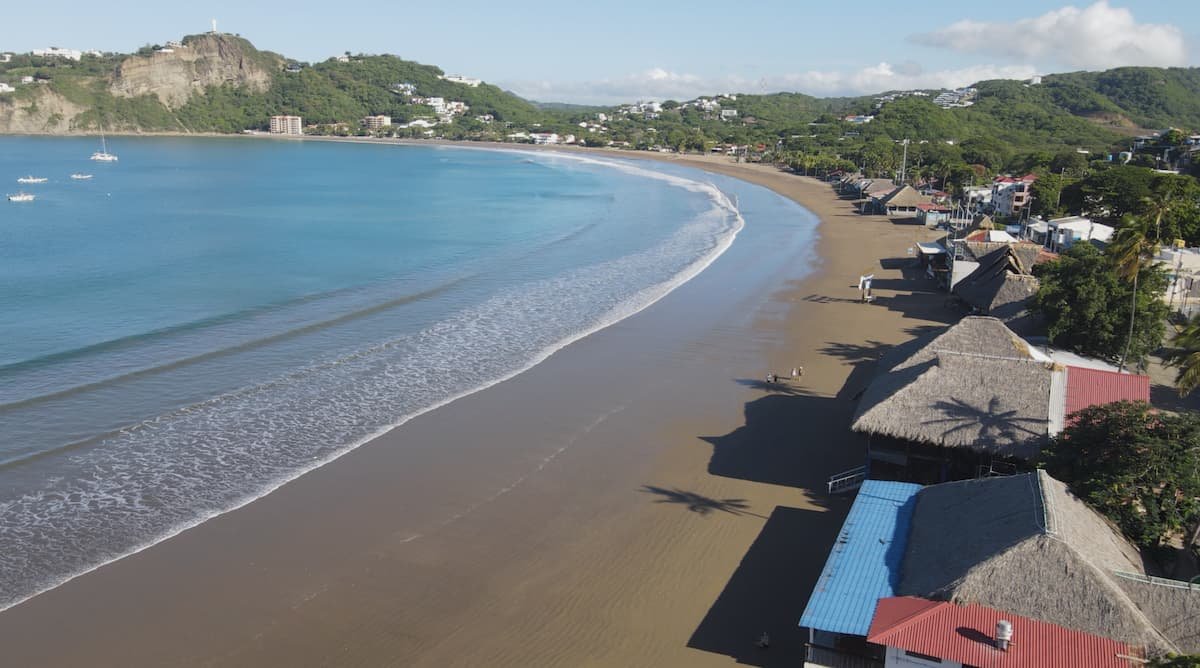
San Juan del Sur is the most established beach town on Nicaragua’s Pacific coast, with restaurants, a marina, international schools, medical clinics, banks and supermarkets, and beaches such as Playa Maderas, Playa Marsella, Playa Remanso, Playa Hermosa and Playa Nacascolo nearby. In town you can find options like the beachfront Casa Marina Condo or a home with five rental apartments. Gated communities like Pacific Marlin offer ocean views and 24-hour security just minutes from town, with options from bay view building lots to luxury homes such as Villa 21 in Malibu, Casa Chai, the colonial El Árbol de Limón and the oceanfront Casa Bahía 5 in La Joya. Outside town, buyers find more land and privacy, from an affordable new solar home in El Oro to an ocean and mountain view home on one acre and Finca Los Robles, a 5-bedroom hacienda on 5.4 acres.
Tola
Tola, north along the Pacific coast, is known for its surf beaches, resort communities such as Guacalito de la Isla and Hacienda Iguana, and larger parcels of land. It is popular with buyers seeking privacy, resort amenities or long-term land investments. Current options include the Guacalito Penthouse and Casa Teka in Hacienda Iguana. See all properties for sale in Tola →
From Our Books: Horizonte Nica Sales in 2026
Official tourism figures tell one part of the story. Our own closings tell the other. So far in 2026, Horizonte Nica has closed more than 10 sales, more than doubling our 2025 results in both the number of properties sold and total sales volume. Our buyers have chosen everything from building lots to turnkey homes with ocean views.
| 2026 year to date | Result |
|---|---|
| Growth compared with 2025 | More than double, in sales and in volume |
| Total sales volume | About US$2.41 million |
| Price range | US$70,000 to US$550,000 |
| Average sale price | About US$341,000 |
| Property types | Building lots, villas, townhomes and family homes |
| Where | San Juan del Sur town, nearby beaches and gated communities |
How to Buy Property in Nicaragua: Step by Step
- Work with a licensed broker and hire your own attorney. In Nicaragua, attorneys are also notaries and prepare and register the deed.
- Sign a promise to purchase (Promesa de Compraventa) with the price, deposit, deadlines and conditions.
- Due diligence: your attorney reviews the title, liens and records at the Public Registry, along with the survey (plano catastrado) and cadastral records.
- Sign the public deed (Escritura Pública) before the notary and pay the transfer tax.
- Register the deed in your name at the Public Registry, and release the final payment once registration is confirmed.
Most purchases close in one to three months.
Buying from Abroad
More buyers are purchasing property in Nicaragua without being here for the whole process. A remote purchase typically combines live video tours of the property, independent due diligence by the buyer’s own attorney, secure escrow for the funds and a limited power of attorney so the attorney can sign the deed on your behalf. Many buyers visit once before making an offer and complete the rest from home. Whether you prefer to buy in person or remotely, we guide you through every step and act as your eyes on the ground.
Closing Costs and Property Taxes
| Cost | Amount |
|---|---|
| Transfer tax | Progressive: 1% up to US$50,000, increasing by bracket up to 7% above US$500,000. Calculated on the higher of the sale price or the cadastral value (Law 822 and its reforms). |
| Legal, notary and registry fees | Quoted case by case. Request a written estimate before signing. |
| Annual property tax (IBI) | 1% of 80% of the cadastral value, paid to the municipality (Decree 3-95). |
Who pays the transfer tax is negotiated between buyer and seller.
Financing
Bank mortgages for non-residents are uncommon in Nicaragua. Most foreign buyers pay cash, and some sellers offer owner financing. Ask us which listings are open to seller financing.
How to Protect Your Investment
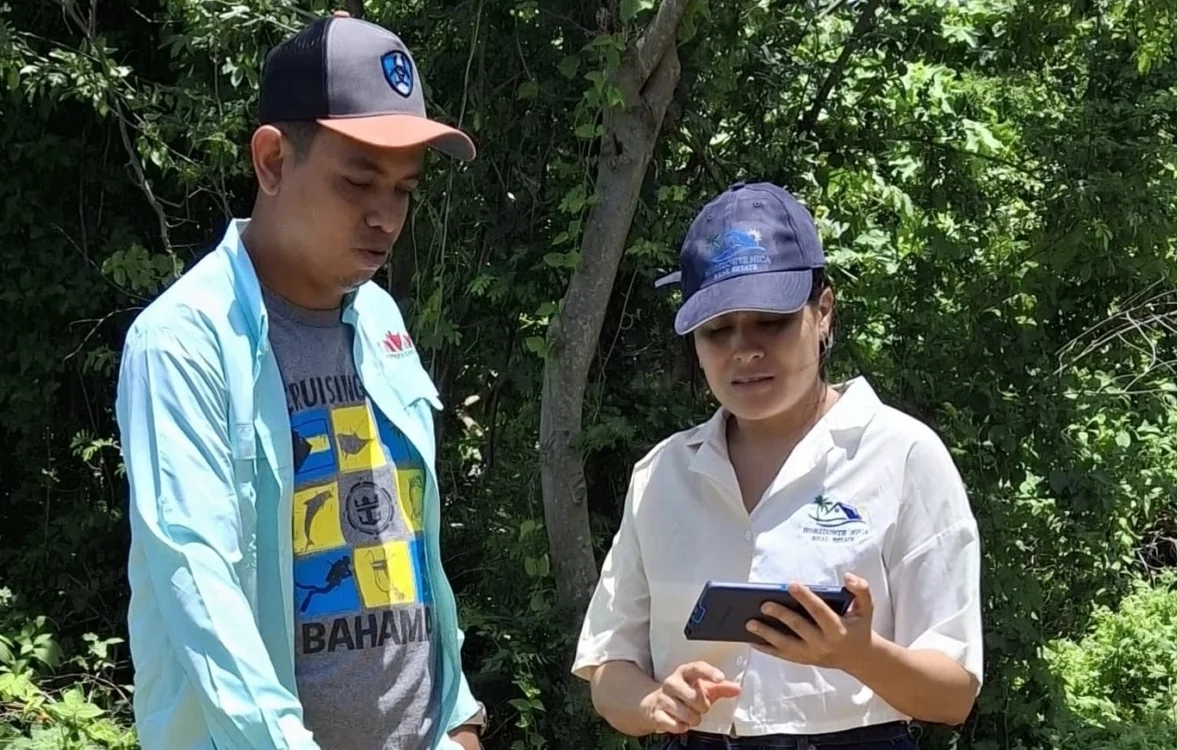
- Verify the boundaries on site. A professional survey (levantamiento de plano) confirms that the lot’s measurements and limits match the title and cadastral records. I personally accompany our clients through this process.
- Insist on a complete title review by your own attorney before you pay.
- Confirm the property is outside the coastal public zone and any restricted areas.
- Verify access, water and electricity, and request the official survey.
- In gated communities, review HOA fees, rules and building guidelines.
- Never send funds before your attorney has reviewed the title.
When Is the Best Time to Buy?
High season on the Pacific coast runs from late November through Semana Santa (Easter). During those months the most buyers are in town at the same time, the best turnkey homes go under contract quickly and sellers are firmer on price. Buyers planning to purchase within the next year are often better served closing before high season, so their property is ready to enjoy or rent when the winter visitors arrive.
Frequently Asked Questions
Can foreigners own property in Nicaragua?
Yes. Under Nicaragua’s Constitution, foreigners have the same property rights as Nicaraguan citizens. You can buy a home, a lot or land in your own name, with no residency, local partner or minimum investment required. Buying property does not give you residency, which is a separate process with its own requirements. Before you buy, your attorney will confirm that the property is outside restricted areas such as the coastal public zone and border areas.
Is Nicaragua real estate a good investment in 2026?
Official figures point to steady growth. The Central Bank of Nicaragua reports that tourism value added grew 11.6% in 2025, and INTUR reports that first-quarter 2026 tourism revenue grew 40.1%. On the ground, our own sales in 2026 have more than doubled compared with 2025. Properties are priced in US dollars, holding costs are low and prices remain accessible compared with other Pacific beach markets. As with any investment, choosing the right property, location and legal team makes the difference.
How much does property cost in San Juan del Sur?
Prices depend on the location, the views and how close the property is to town and the beach. Beachfront condos start around US$148,000, and building lots in gated communities like Pacific Marlin start around US$139,000. Homes outside town start at about US$199,000, while luxury ocean view homes typically begin around US$600,000. Most of our 2026 sales closed between US$150,000 and US$300,000, which is where we see the strongest demand.
Can I buy property in Nicaragua without visiting?
Yes. Many of our clients buy from the United States, Canada or Europe. We share live video tours of the property, your own attorney completes the legal due diligence, and funds are held in escrow until the deed is ready. A limited power of attorney allows your attorney to sign the deed on your behalf. Many buyers still prefer to visit once before making an offer, and we can organize that trip around private showings.
Can I own beachfront property in Nicaragua?
Yes, you can own property on the beach in Nicaragua. Under Law 690, the strip from the tide line to 50 meters inland from the high-tide mark is public domain, so it cannot be privately owned. Beachfront homes and lots are located behind that zone, and rights legally acquired before the law are respected. Before buying, your attorney and surveyor should confirm exactly where the property sits in relation to the coastal zone.
How much are closing costs in Nicaragua?
The main closing cost is the transfer tax, which is progressive: 1% for properties up to US$50,000, rising by bracket up to 7% above US$500,000. It is calculated on the higher of the sale price or the cadastral value. On top of that, you pay legal, notary and registry fees, which vary by transaction. Who pays the transfer tax is negotiated between buyer and seller, so it should be agreed in the promise to purchase. Always ask for a written estimate before you sign.
What are property taxes in Nicaragua?
The annual property tax (IBI) is 1% of 80% of the property’s cadastral value, and it is paid to the local municipality. The cadastral value is set by the municipality and is usually well below the market price. This keeps holding costs low compared with North America and Europe. In gated communities you should also budget for HOA fees, which cover security, roads and common areas.
Is it better to buy before or during high season?
In most cases, buying before high season is the better choice. From late November to Easter, more buyers are in town at the same time, the best turnkey homes go under contract quickly and sellers are firmer on price. Buying before then gives you more choice and more room to negotiate. It also means your property can be ready to enjoy or rent when the winter visitors arrive.
Start Your Search with a Local Licensed Broker
Horizonte Nica Real Estate is a Nicaraguan licensed brokerage based in San Juan del Sur (INVUR License 0098-2025). We help international and local buyers find homes, ocean view lots and land for sale in San Juan del Sur and Tola, and guide you through every step, in English and Spanish, in person or remotely.
Schedule a free consultation → · Get new listings first →
Sources
- Instituto Nicaragüense de Turismo (INTUR): Comportamiento del turismo receptor en primer trimestre de 2026 (July 23, 2026)
- Instituto Nacional de Información de Desarrollo (INIDE): Encuesta de Turismo
- Banco Central de Nicaragua: Cuenta Satélite de Turismo de Nicaragua 2025 (April 15, 2026)
- INTUR co-director Anasha Campbell: visitor arrivals January–August 2026 (September 29, 2026)
- Visit Nicaragua: “Canada is a top priority” (Travelweek, 2026)
- Central American Bank for Economic Integration (BCIE): road infrastructure in Nicaragua
This guide is for general information only and is not legal or tax advice. Laws and requirements can change; always confirm details with a Nicaraguan attorney before buying.
By Sayonara Valle Calderón, Founder & Licensed Real Estate Broker, Horizonte Nica Real Estate (INVUR License 0098-2025) · Published October 2026