
Can foreigners buy property in Nicaragua? Yes. Foreign buyers can own titled property with the same rights as citizens, with no local partner and no residency required. I wrote this guide from my experience as a licensed broker in San Juan del Sur. It explains the legal side of buying: your ownership rights, the coastal rules, the documents to verify and every step from offer to title transfer.
If you want to know why and where to invest, read our companion article, How to Invest in Nicaragua Real Estate, or browse our properties for sale in San Juan del Sur and Tola.
Contents
- Can Foreigners Buy Property in Nicaragua?
- Ways to Hold Title: Personal Name or Company
- Buying Near the Beach: The Coastal Law
- Due Diligence Checklist
- Buying Property in Nicaragua Step by Step
- Closing Costs and Taxes
- Do You Need Residency to Buy?
- Common Mistakes Foreign Buyers Make
- Frequently Asked Questions
Can Foreigners Buy Property in Nicaragua?
Yes. Under Nicaragua’s Constitution, foreigners have the same property rights as Nicaraguan citizens. There are no restrictions based on nationality, and you do not need a local partner, residency or a minimum investment to buy.
- Full ownership: the property is registered in your name in the Public Property Registry.
- No local partner: you can buy directly, without a Nicaraguan co-owner.
- Any nationality: US, Canadian, European and all other buyers follow the same rules.
- No residency required: you can buy as a tourist or non-resident.
Some rules apply to all buyers equally, Nicaraguan or foreign: the coastal public zone on beachfront land, and special regulations for land near the national borders.
Ways to Hold Title: Personal Name or Company
Most buyers choose one of two options:
- In your personal name: the simplest option for a home or vacation property.
- Through a Nicaraguan company (sociedad anónima): often used by investors with several properties or rental businesses.
Your attorney can explain which option fits your plans, taxes and inheritance goals.
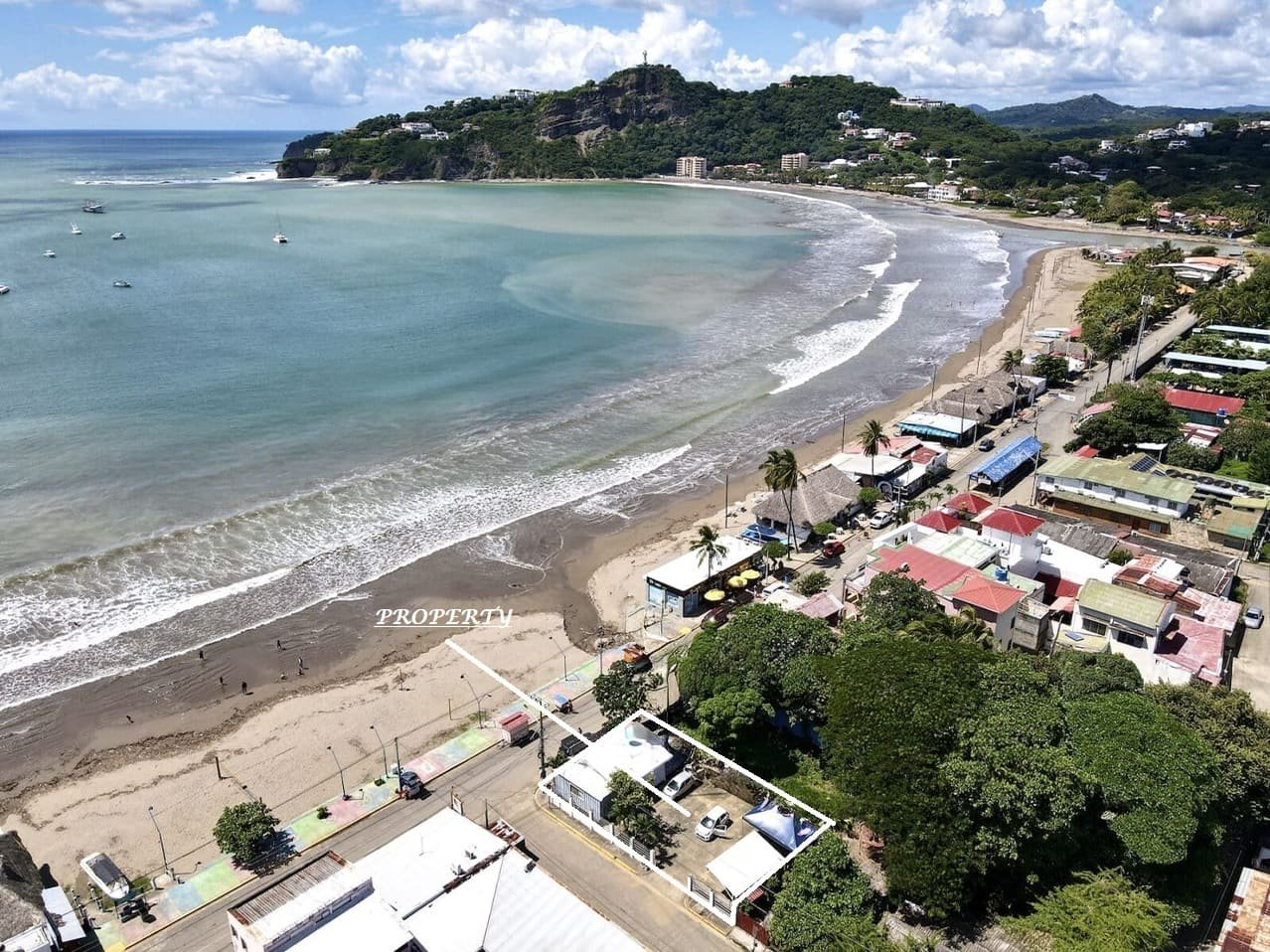
Buying Near the Beach: The Coastal Law
If you are buying near the ocean, you need to understand Nicaragua’s Coastal Law (Law 690), published by the National Assembly.
| Area | What it means for buyers |
|---|---|
| From the tide line to 50 meters inland from the high-tide mark | Public domain. It cannot be privately owned. |
| Behind the 50-meter public zone | Private ownership is allowed. Beachfront homes and lots are located here. |
Rights legally acquired before the law are respected. Properties close to the coast may need additional permits, so your attorney and surveyor should confirm exactly where the property sits and which requirements apply before you buy.
Due Diligence Checklist
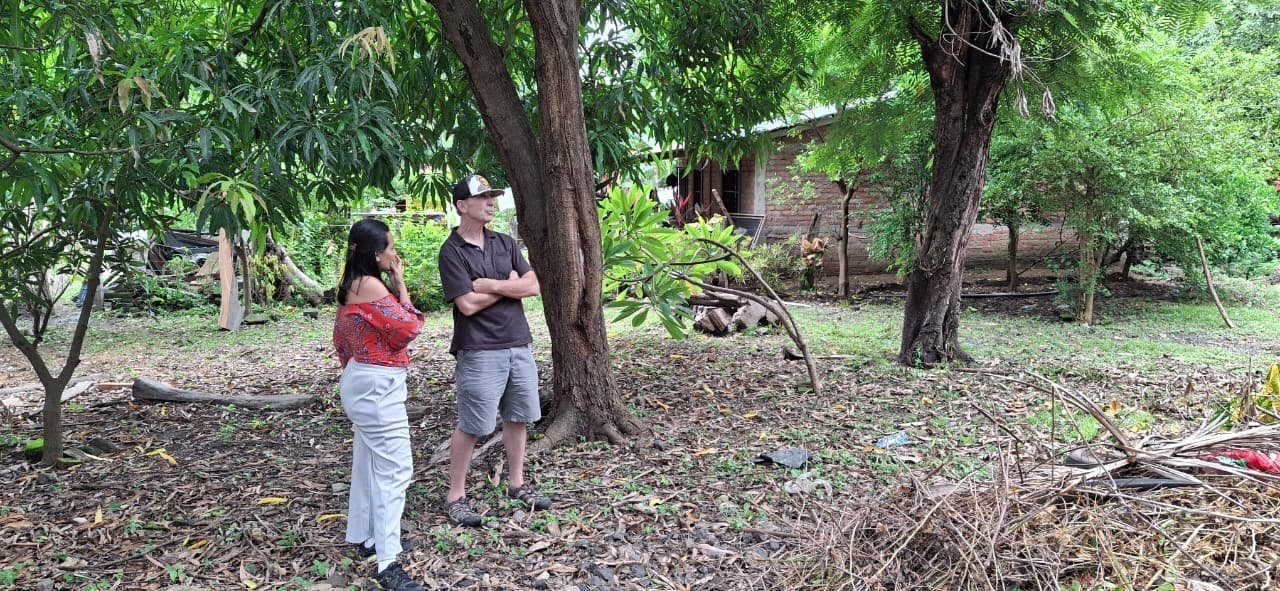
Due diligence is the most important step when buying property in Nicaragua. Before you sign or pay, your attorney should review these documents:
| Document | Why it matters |
|---|---|
| Registered title (escritura) | Confirms the seller is the legal owner |
| Registry history (historial registral) | Shows a clean chain of ownership |
| Certificate of no liens (libertad de gravamen) | Confirms there are no mortgages or claims |
| Municipal solvency (IBI) | Shows property taxes are paid |
| Cadastral certificate | Matches the property with official records |
| Topographic survey (INETER) | Confirms the size and boundaries on the ground |
Buying Property in Nicaragua Step by Step
- Choose the property. Tour homes, lots or investment properties in person or by video call.
- Hire an independent attorney. In Nicaragua, attorneys are also notaries and prepare and register the deed. Choose one who works only for you.
- Sign a promise to purchase (Promesa de Compraventa). It sets the price, deposit, deadlines and conditions.
- Complete due diligence. Your attorney reviews the title, registry, liens, taxes and survey.
- Sign the public deed (Escritura Pública) before the notary and pay the transfer tax.
- Register the deed in your name at the Public Registry, and release the final payment once registration is confirmed.
Most purchases close in one to three months. Buying from abroad? Most steps can be done remotely with a limited power of attorney. Learn more in our guide to buying from abroad.
Closing Costs and Taxes
The main closing cost is the transfer tax, which is progressive: from 1% for properties up to US$50,000 to 7% above US$500,000 (Law 822). You also pay legal, notary and registry fees, and after closing, an annual municipal property tax (IBI). See the full breakdown in our closing costs and property taxes table.
Do You Need Residency to Buy?
No. You can buy property in Nicaragua without residency. Owning property does not grant residency; it is a separate application with its own requirements. For buyers who plan to live here, review the options with an immigration attorney. Read our guide to residency through property in Nicaragua.
Common Mistakes Foreign Buyers Make
- Skipping due diligence to close faster.
- Using the seller’s attorney instead of your own.
- Ignoring the coastal rules on beachfront land.
- Assuming all beachfront land is titled. Some land only has possession rights.
- Paying in full before the title is verified.
- Buying without a survey to confirm the boundaries.
Frequently Asked Questions
Can US citizens buy property in Nicaragua?
Yes. US citizens can own property in Nicaragua with the same rights as Nicaraguan citizens.
Do I need residency to buy property in Nicaragua?
No. You can buy property as a tourist or non-resident. Buying property does not give you residency.
Can foreigners buy beachfront property in Nicaragua?
Yes. The first 50 meters from the high-tide mark are public domain, and beachfront homes and lots are located behind that zone. Your attorney and surveyor should confirm the exact location before you buy.
Can I buy property in Nicaragua from abroad?
Yes. With live video tours, your own attorney and a limited power of attorney, most of the process can be completed remotely.
How long does it take to buy property in Nicaragua?
Most purchases close in one to three months, depending on the property and the documents needed.
Do I need an attorney?
Yes. We always recommend an independent attorney who represents only you.
Final Thoughts for Foreign Buyers
Buying property in Nicaragua can be a rewarding and secure investment when it is done correctly. With proper guidance, legal verification and local market knowledge, foreign buyers can invest with confidence and enjoy everything this beautiful country has to offer.
Start Your Purchase with a Local Licensed Broker
Buying property in Nicaragua is easier with a local, licensed professional by your side. We guide you in English or Spanish, in person or remotely, from the first search to the day you receive your registered title.
→ Schedule a free consultation
→ Browse properties for sale in San Juan del Sur and Tola
Sources
- Asamblea Nacional de Nicaragua – Coastal Law (Law 690)
- INETER – Nicaraguan Institute of Territorial Studies
- DGI – Dirección General de Ingresos
This guide is general information and not legal or tax advice. Laws and requirements can change; always consult an independent Nicaraguan attorney before buying property.
By Sayonara Valle Calderón, Founder & Licensed Real Estate Broker, Horizonte Nica Real Estate. INVUR License 0098-2025. Updated October 2026.